Pepe Hanze

Interview by Peter Cardona

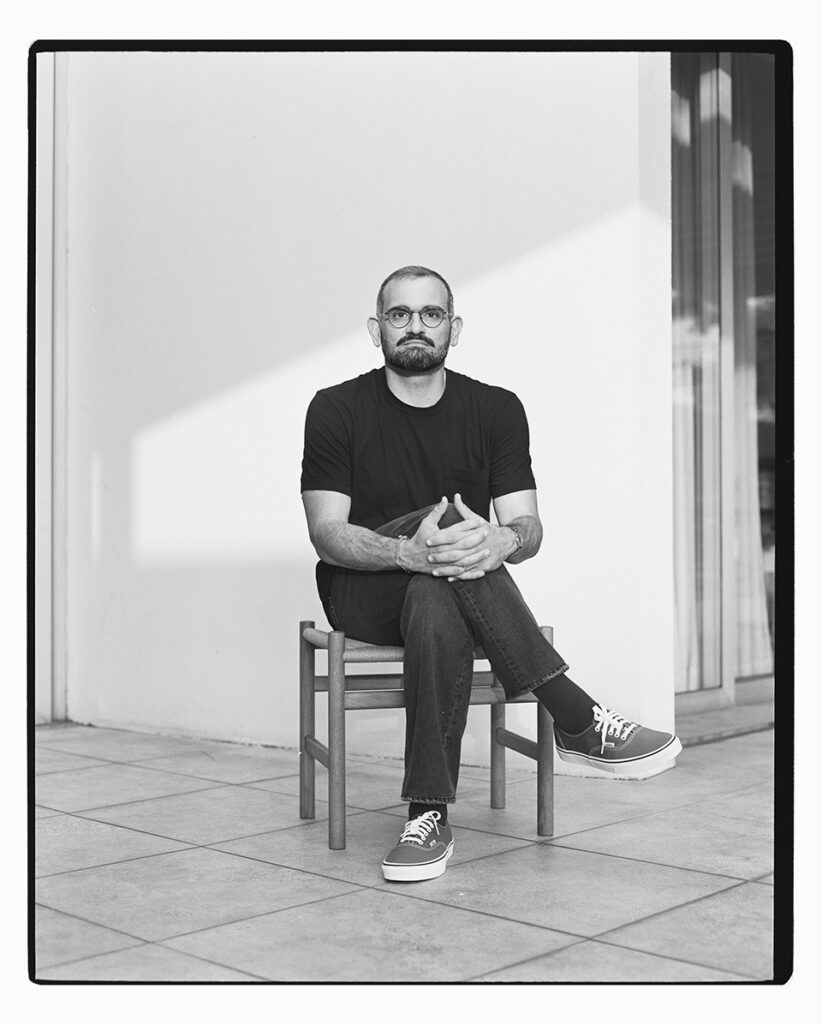
Portrait of Pepe Hanze © Vicente Manssur

In the heart of Guayaquil’s streets, Pepe Hanze turns the ordinary into a visual narrative. With his
unmistakable black-and-white photography, the Ecuadorian artist captures urban life brimming
with tension and poetry, carrying forward the Latin American documentary tradition. From
passers-by to impromptu neighborhood soccer games, his analog film images convey resilience,
memory, and identity, revealing the fragile beauty of everyday life.

© Pepe Hanze

What do you see through the lens even before shooting? What makes you say: “this is a photograph”?

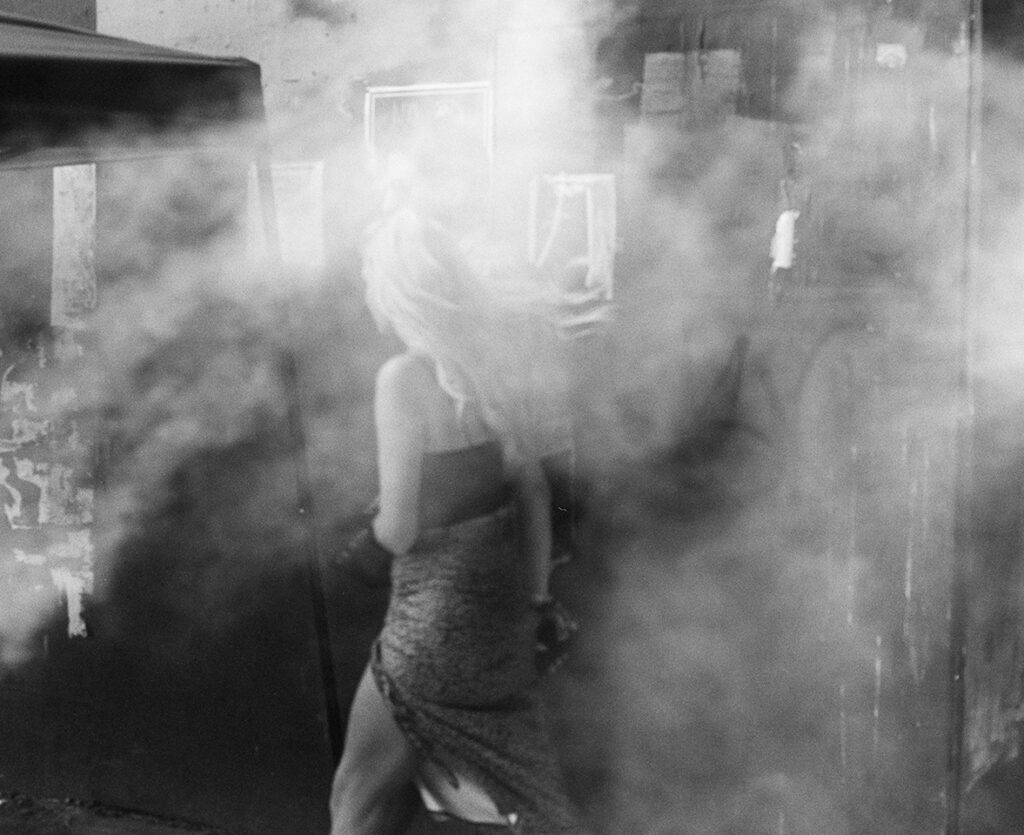
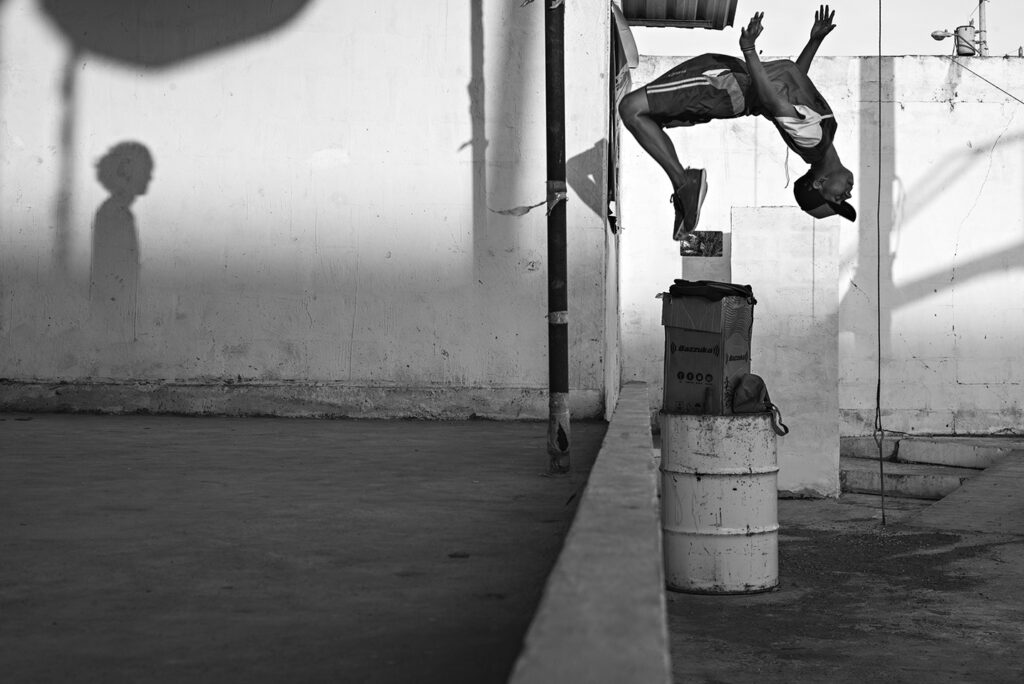
Pepe. I see stories everywhere. On the streets, there’s always something that catches my attention and makes me connects with myself first—moments from everyday life that feel significant to me. There’s a energy between the photographer and that brief instant before pressing the shutter, when you become part of that moment forever. Shooting on film makes it even more intense; each frame counts. Sometimes I shoot on impulse, but most of the time it’s about catching a unique instant with the perfect setting and light.

Are there subjects you’re naturally drawn to, or do you let the scene find you instead?

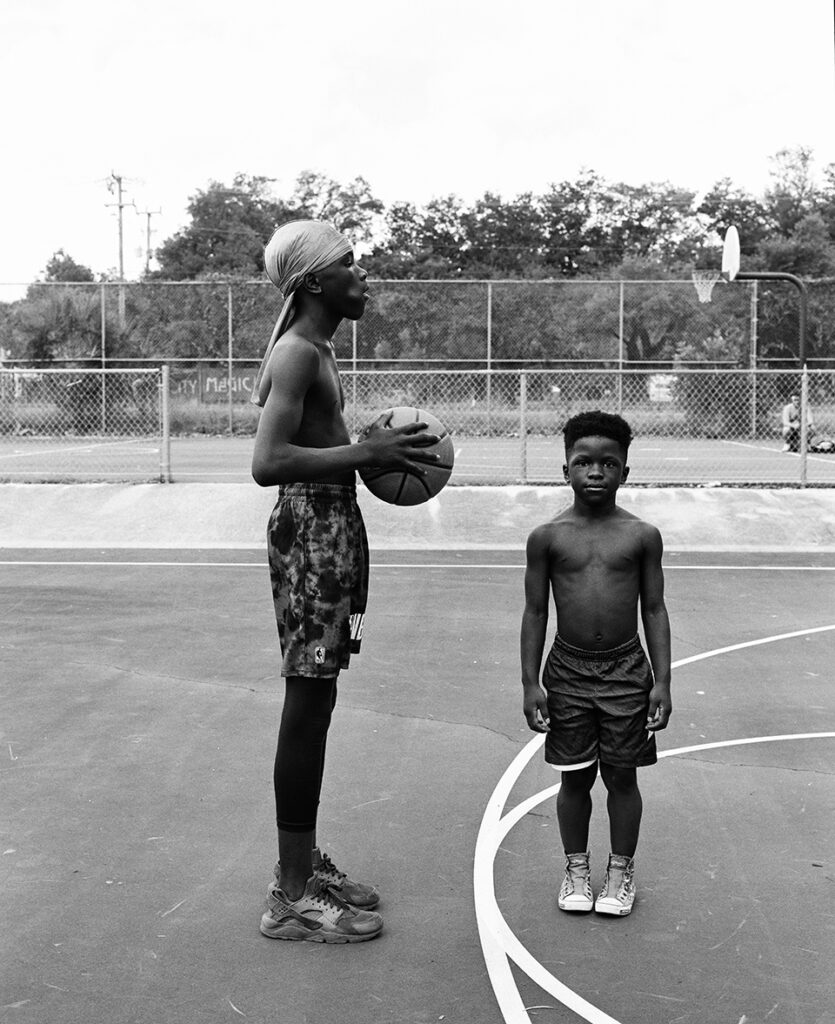
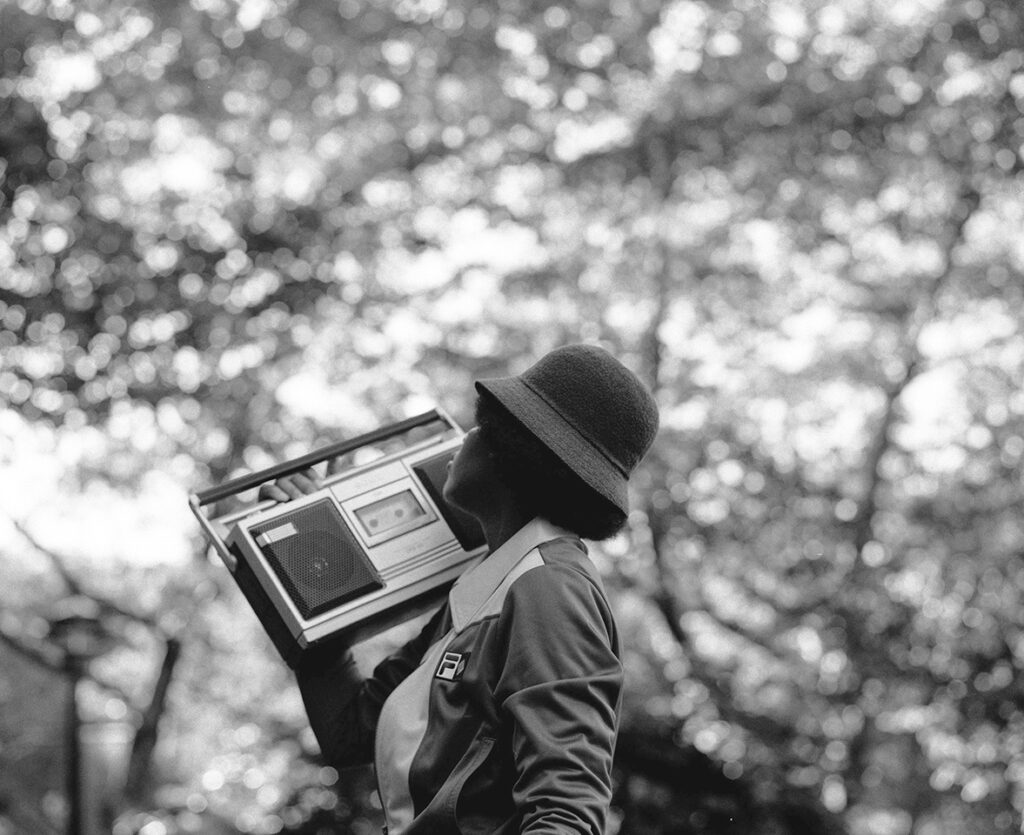
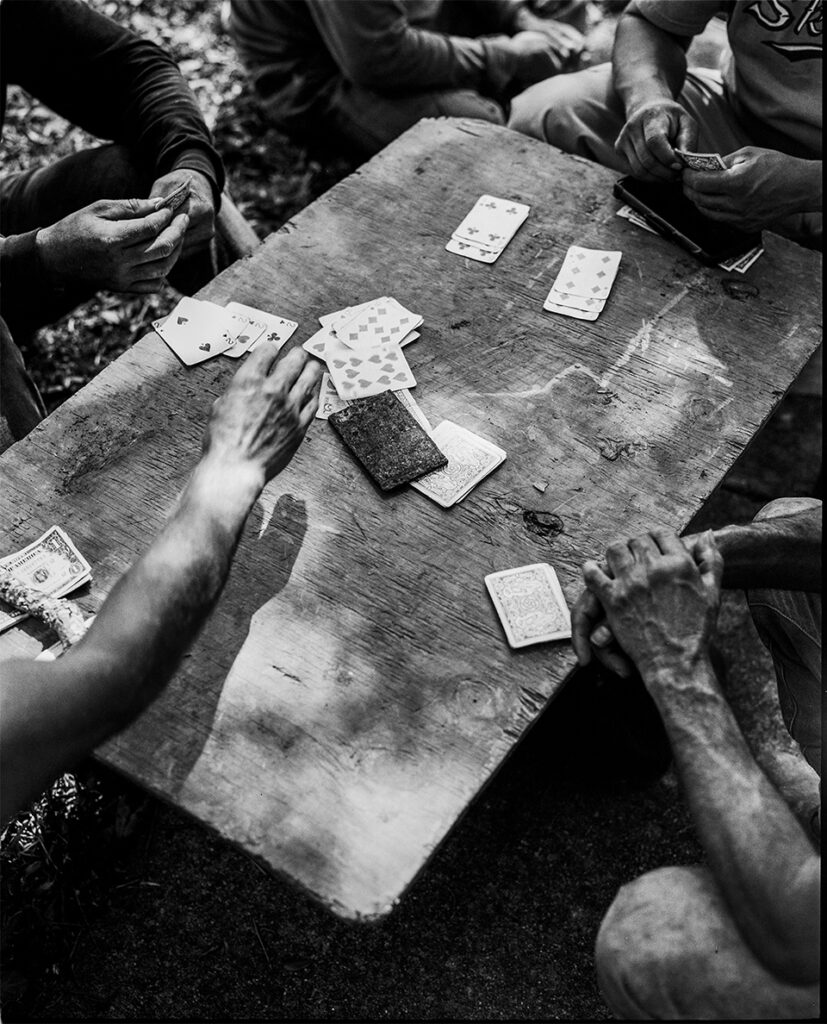
Pepe. I’m naturally drawn to people and their stories. I often look at someone and imagine who they are, where they come from, and what their joys or struggles might be. Then I make eye contact —this tells me whether I should shoot from afar or if I can approach. Lately, I’ve been doing more portraits, drawn to the way different skin tones translate on black-and-white film. I like to get close, focusing on details—hands, wrinkles, a necklace— or any detail that can describe a personality.

How does your perception shift between the moment you shoot and when you review the image later?

Pepe. When I shoot, I am editing in my mind at the same time, which can slow my process. An image taken for one project—or even by chance—might later work for something completely different, or even become the starting point for a whole new essay.

© Pepe Hanze
© Pepe Hanze
© Pepe Hanze

When you select a subject, do you follow instinct or a clear direction? What must a subject have to convince you?

Pepe. When choosing a project or essay, I plan ahead—location, timing, a list of shots I want to capture. But most of the time, I get distracted and end up ignoring the list.
The streets are alive, constantly changing, full of stories. Once I’m out there with my camera, I let the day lead me.

Have you ever photographed someone just for the challenge? What kind of resistance attracts you?

Pepe. I love the adrenaline and unpredictability of shooting challenging situations. When it involves people, I try to get invited into their space and privacy. I’m especially drawn to dangerous or remote places i walk a lot—those hard-to-reach areas often hide the most interesting scenes.
Usually, if someone says “no,” I respect it… but I’ve broken that rule more than once, sometimes with surprisingly good results.

Do you seek a connection with people before shooting them, or are you interested in maintaining a certain distance?

Pepe. Lately, I’ve been seeking more connection. I like talking to people before taking their portrait. It becomes more personal, more real, when they are engaged—and even more powerful when they share a piece of their story. I love when I ask to take a portrait and they answer, “Me, yes thank you.”

© Pepe Hanze
© Pepe Hanze
© Pepe Hanze
© Pepe Hanze

What do you truly look for in a photograph: composition? emotion? a suspended moment?

Pepe. For me, photography is about telling stories, sharing, meeting people and creating emotions.

Have you developed a visual vocabulary — recurring forms, colors, or symbols?

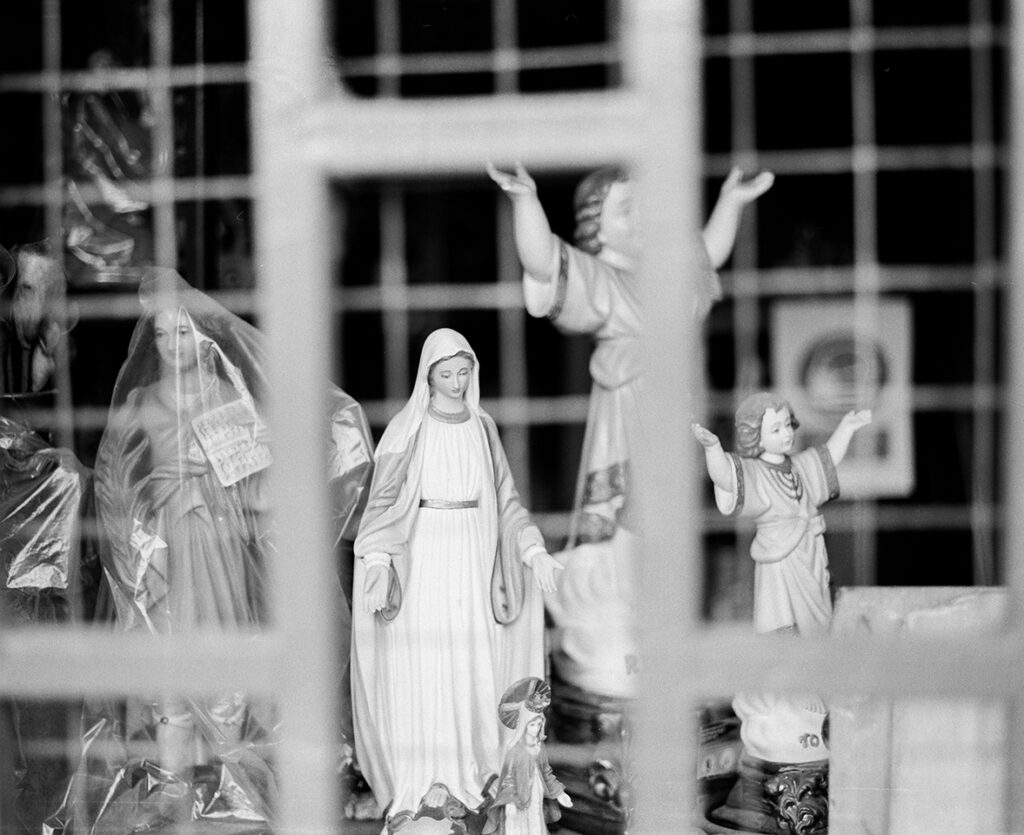
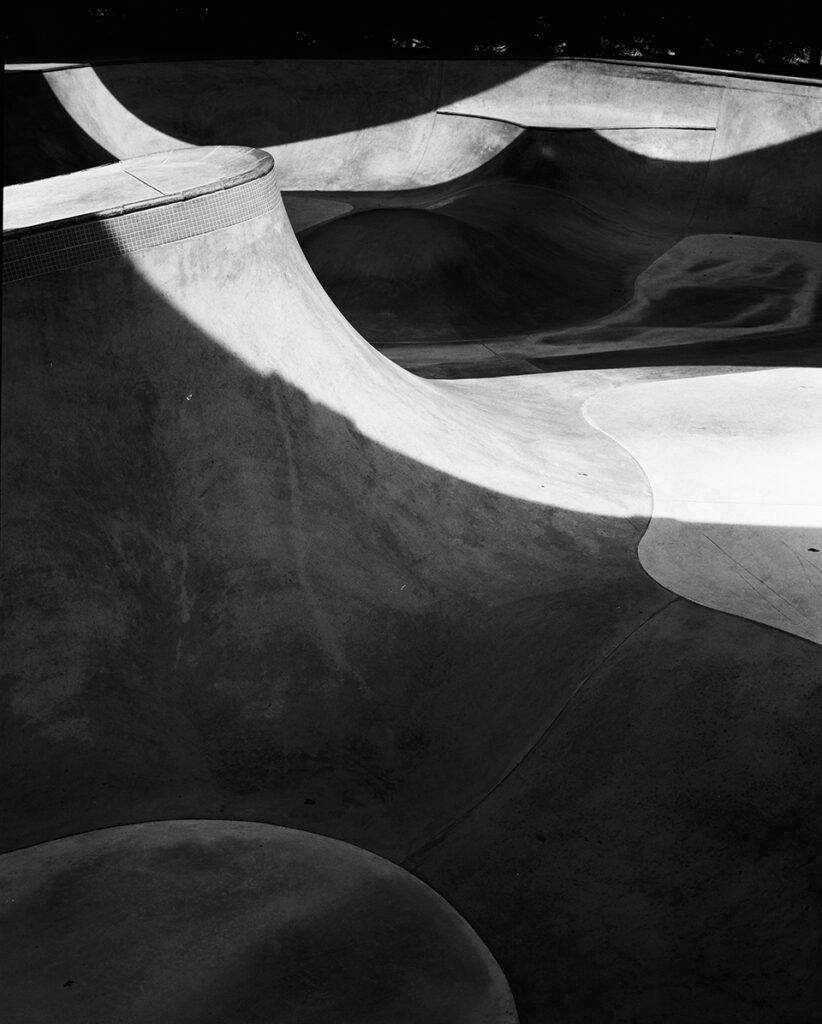
Pepe. Composition now comes almost instinctively. I don’t overthink it, though it’s still a process I work on. Some viewers tell me they find shapes others see, lines, hands, even religious symbols hidden in my work.

How do you balance the need to tell a story with the desire to create pure aesthetic beauty?

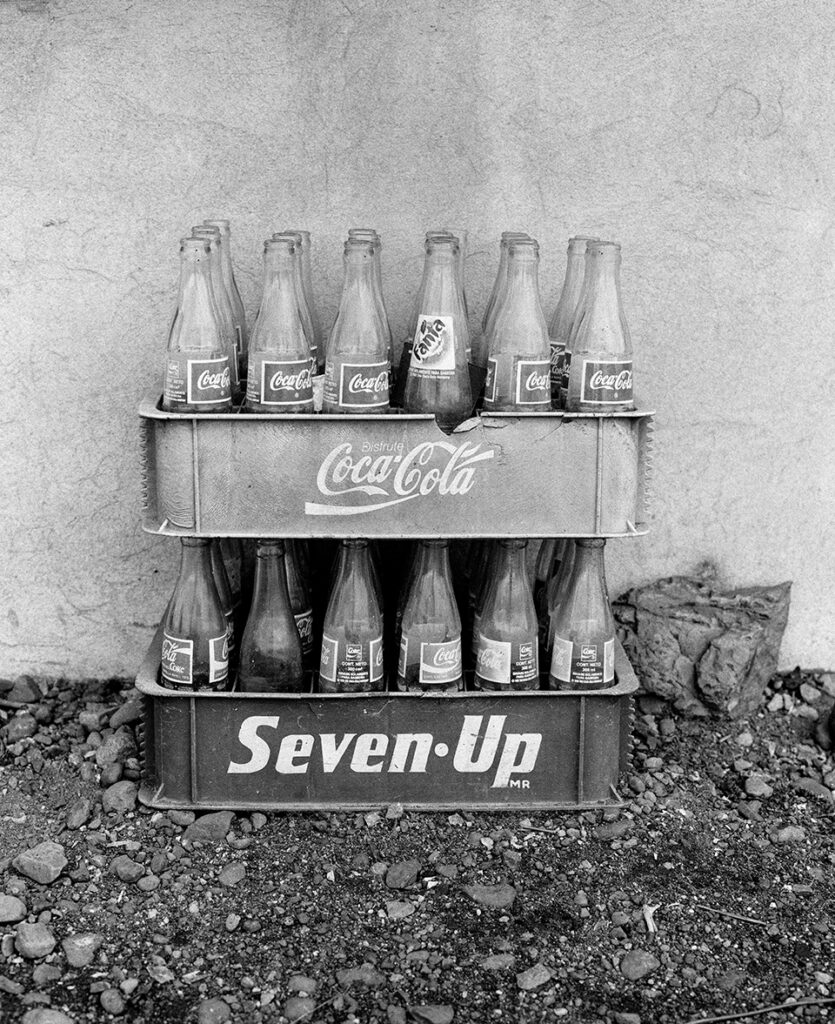
Pepe. I find beauty everywhere—a kiss, a dog, a fork flattened on the pavement by passing cars, a small plant growing from a crack in a wall. My job is to capture what feels beautiful to me, then share it with the world.

What do you do with a photo that doesn’t quite work, but still attracts you? Do you return to it or let it go?

Pepe. A photographer once told me: never discard or erase a photograph—it might reveal its value someday. Sometimes I revisit a location, but I don’t try to recreate the same image. An instant is an instant; it can’t be duplicated. If I don’t get it perfect, that’s okay—that’s the magic of film. You learn to accept that a few shots will work, and most won’t.

Have you ever chosen not to show a photo because it didn’t feel honest to your vision?

Pepe. Sometimes I do…

© Pepe Hanze
© Pepe Hanze
© Pepe Hanze

When you revisit your work months later, does it speak to you differently? What surprises you about yourself?

Pepe. Going back to the previous question—when I revisit my work, I often find new meaning or a new purpose for certain images. Maybe it’s because I’m in a different mindset or have had new experiences that allow me to see them with fresh eyes.

Which artists or images inhabit your mind when you shoot? And how do you avoid visual clichés?

Pepe. Over time, I’ve developed a style and I don’t worry much about visual clichés. I think it is good to study the work of great photographers and learn from them, but the best way to improve is to shoot relentlessly. I collect books to inspire me, but when I’m deep in a project, I avoid looking at other people’s work. Still, some names always linger in my mind—Alec Soth, Elliott Erwitt, Alex Webb. But once I’m in the streets, it’s only me in my head.

How does your gaze shift when you’re abroad or in an unfamiliar cultural context?

Pepe. When I’m in a new place, I shoot the same way I do at home. In Guayaquil, I feel completely at ease—I know the rhythm, I can flow naturally, walking until I find my stories. When I travel, I still walk endlessly, even to remote areas, to discover interesting people. The difference is that I proceed with more caution, ask questions, and take time to understand the place and its culture before diving in.

If you had to choose one single photo that represents your evolution, which one would it be and why?

Pepe. A picture I took in my hometown a few years ago…